Seasonal
Fall Plumbing Maintenance Checklist for SoCal Homes
By Riverside Plumbing Pros·September 2, 20266 min read
A little fall maintenance prevents the winter-storm and holiday-season emergencies. Here's the checklist for Southern California homes.
Southern California doesn't have harsh winters, but fall is still the right time to get your plumbing ready for the season's real stresses: the winter storms that roll through the Inland Empire, the heavy holiday cooking that overwhelms kitchen drains, and — in the foothills and high desert — the occasional freeze. A little maintenance now prevents the emergencies later. Here's a practical checklist.
Flush and check your water heater
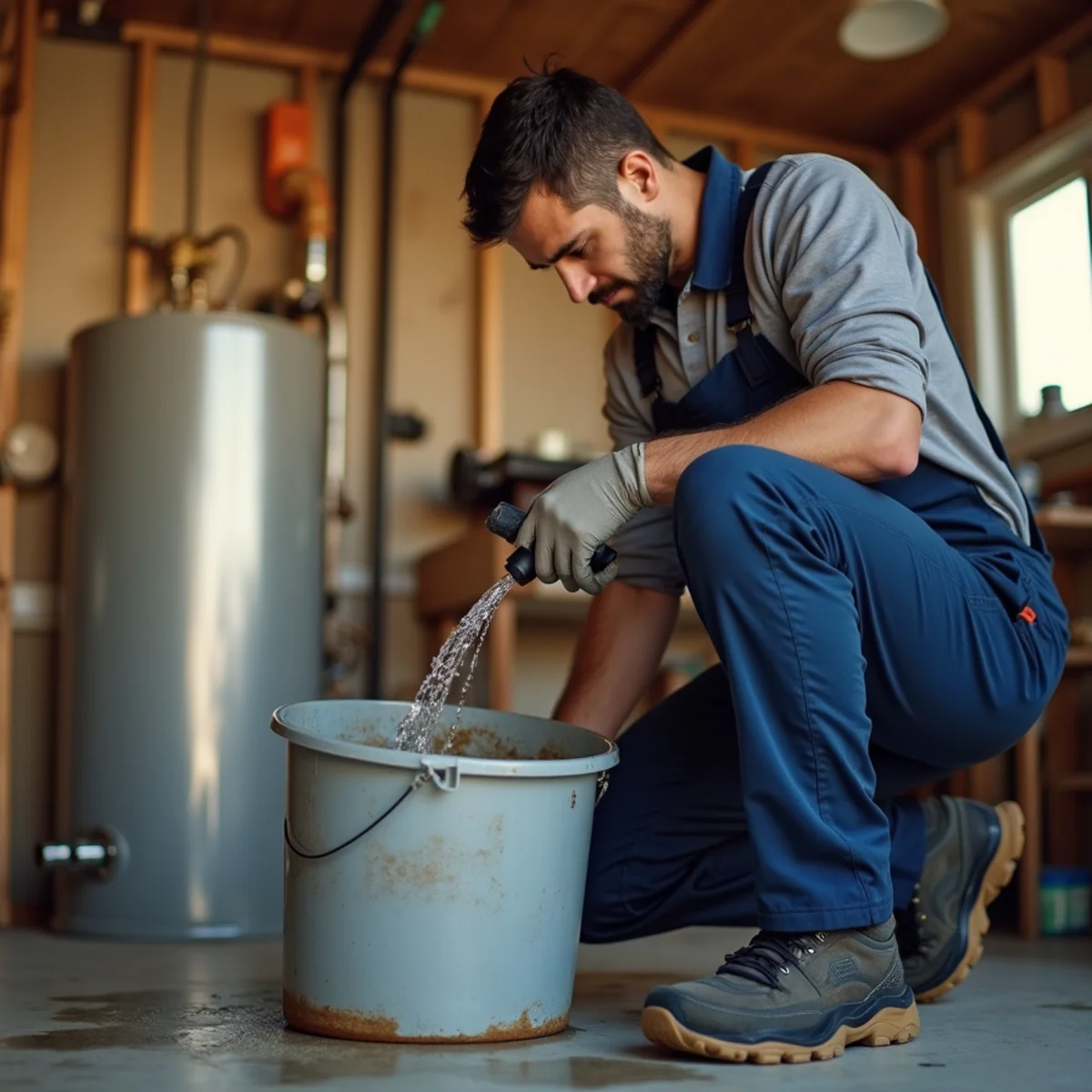
Your water heater works hardest in the cooler months. Because our hard water constantly deposits sediment in the tank, fall is a good time to have it flushed to clear that buildup — it runs more efficiently and lasts longer. While it's being serviced, the technician checks the anode rod, the temperature/pressure valve, and for any early signs of a leak. Catching a failing heater in the fall beats a cold-shower surprise on a holiday morning.
Clear the drains before holiday cooking
The kitchen sink takes a beating from Thanksgiving through New Year's, and a marginal drain becomes a clogged one at the worst possible time. If your kitchen line is already draining slowly, clear it now. And a reminder that saves a lot of holiday emergencies: keep grease, fats, and fibrous scraps out of the drain and disposal entirely — they're the top cause of holiday kitchen backups.
Test your sump pump before the storms
If you have a sump pump — common in lakeside and low-lying areas around Lake Elsinore, Canyon Lake, and canyon-bottom lots — test it before the rainy season, not during it. Pour water into the basin and confirm the pump kicks on, moves the water, and shuts off. Consider a battery backup, since storms are exactly when the power tends to fail.
Check for slow leaks
- Run the water meter test (all water off — does the meter still move?)
- Look under sinks and around the water heater for dampness
- Check toilets for silent running with a few drops of food coloring in the tank
- Inspect visible supply lines and angle stops for corrosion or drips
Prep exterior and exposed lines
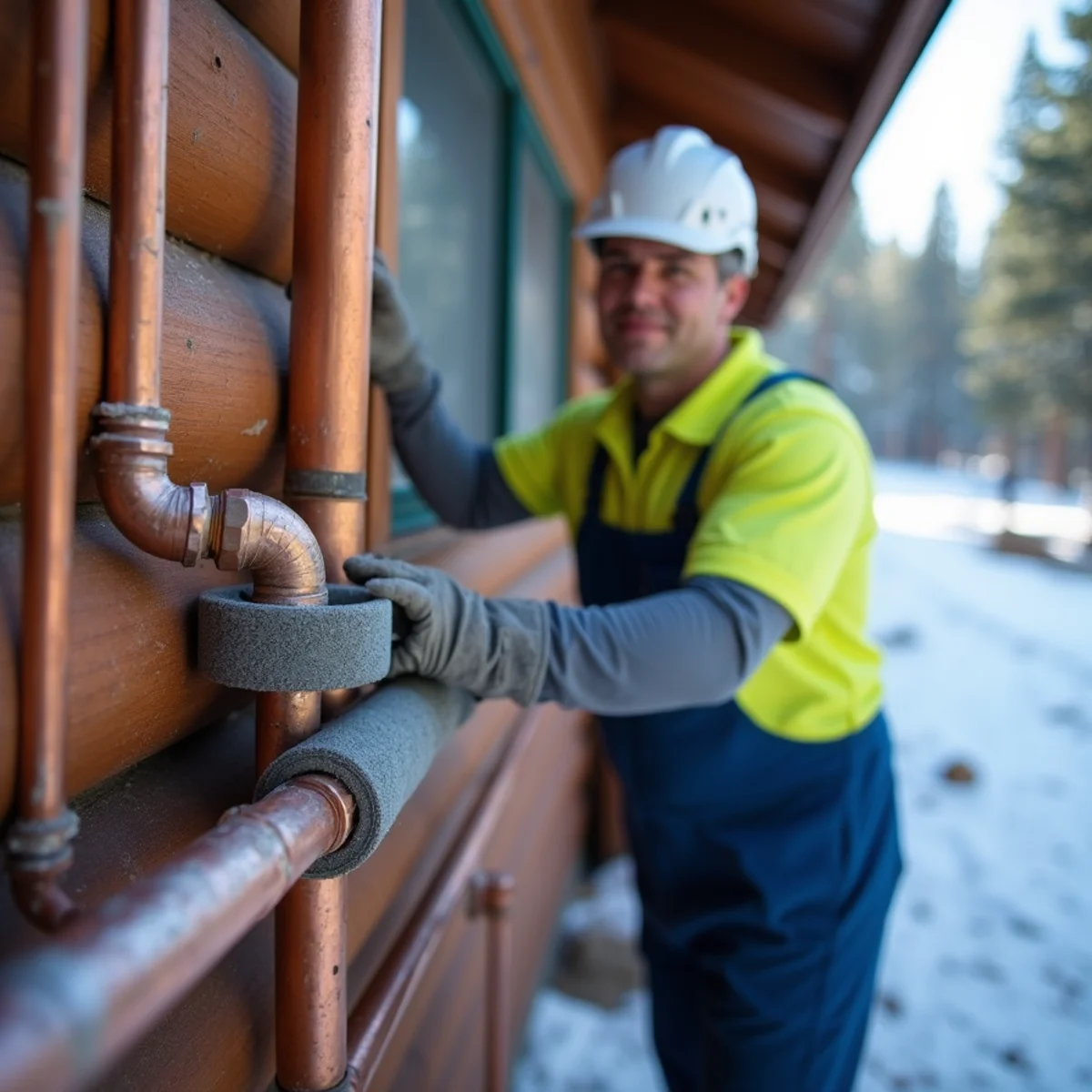
Most of the Inland Empire rarely freezes, but the foothills and high desert do — Yucaipa, Beaumont, Hesperia, and the mountains genuinely see cold nights. If you're in one of those areas, insulate exposed hose bibs and any attic or exterior piping, disconnect and drain garden hoses, and know where your main shutoff is. For everyone, clearing leaves and debris from yard and area drains keeps winter runoff flowing where it should.
Know your main shutoff
It sounds basic, but the middle of an emergency is the wrong time to go hunting for your main water valve. Find it now, make sure it turns freely, and make sure everyone in the household knows where it is. That one piece of knowledge limits the damage from any burst or major leak.
Written by the licensed team at Riverside Plumbing Pros. Call (831) 290-4327 for help with any of the issues below.
From our licensed plumbers
The maintenance that actually prevents emergencies
Most winter plumbing emergencies we respond to were preventable with a twenty-minute fall check. The water heater is the big one: a sediment flush before the season you rely on it most clears the scale our hard water drops all year, restores efficiency, and often reveals a failing anode rod or a weeping valve while it's still a scheduled fix rather than a cold-shower surprise on a holiday morning. It's the single highest-return item on the list.
The rest is about catching small leaks while they're cheap. Run the meter test with everything off, check under sinks and around the heater for damp spots, and drop food coloring in each toilet tank to catch silent runners — the most common invisible water-waster in a home. For anyone in the foothills or high desert, insulating exposed hose bibs and attic runs now is far easier than repairing a freeze-split line in January. None of this is glamorous, but it's the difference between a scheduled tune-up and an after-hours call.
Frequently asked questions
Once a year is a good rule in our hard-water region, and fall is an ideal time — it clears the sediment our water constantly deposits, so the heater runs efficiently through the cooler months when you rely on it most.
Once a year is the rule in our hard-water region, and fall is ideal — it clears the sediment our water constantly deposits so the heater runs efficiently through the cooler months. Tankless units need an annual descale on the same schedule.
On the valley floor, rarely — but the foothills and high desert (Yucaipa, Beaumont, Hesperia, the mountains) do freeze. If that's you, insulate exposed and attic piping and disconnect garden hoses before the first cold snap.