Commercial
Plumbing Compliance for Riverside Property Managers
By Riverside Plumbing Pros·September 14, 20267 min read
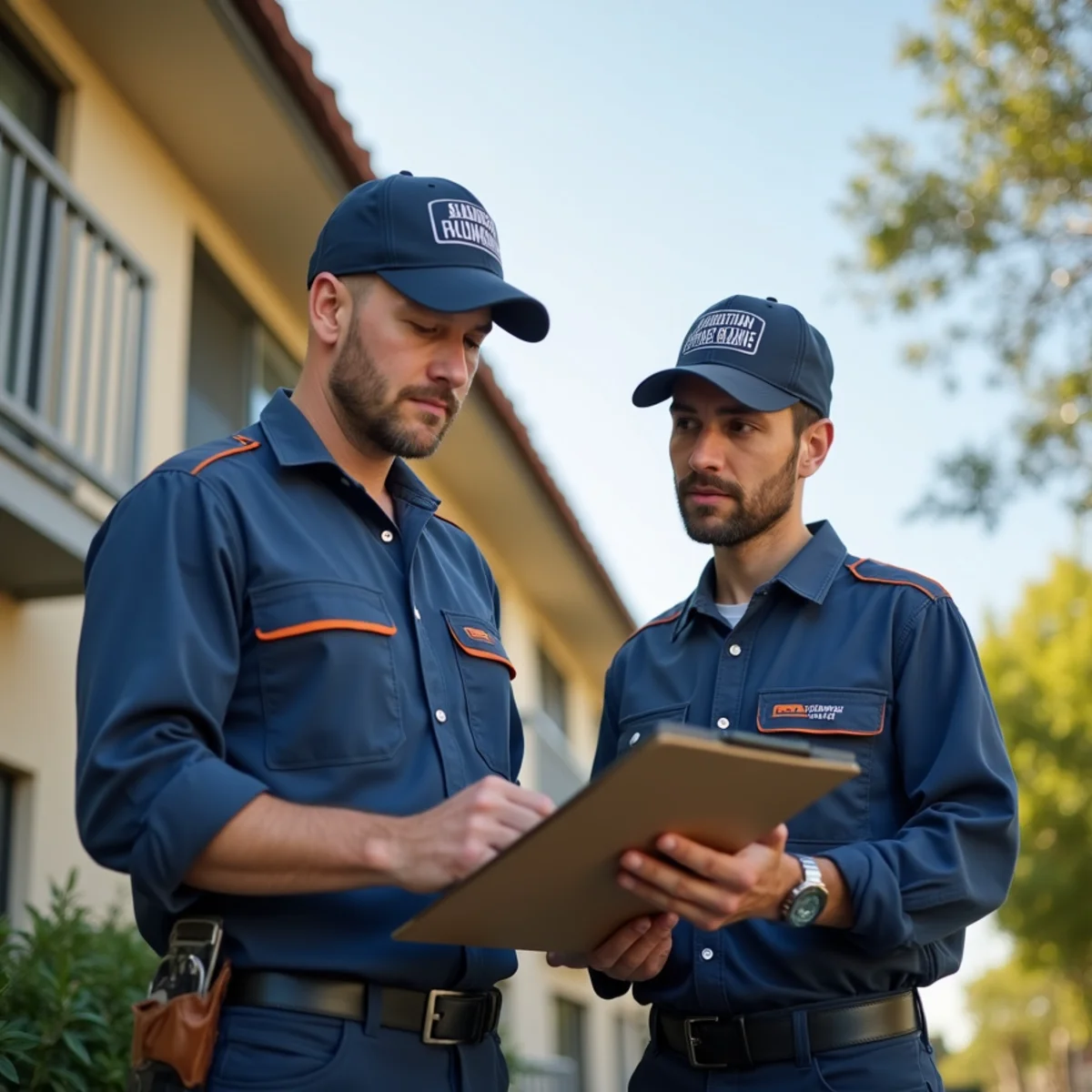
For property managers, plumbing is about uptime, compliance, and documentation. Here's how to stay ahead of all three.
For a property manager, plumbing isn't a homeowner's occasional headache — it's an ongoing operational responsibility across multiple units or buildings, with real compliance and liability stakes. Tenants expect reliable water and drainage, health and safety codes have to be met, and everything needs a paper trail. Here's a practical framework for staying ahead of plumbing across a Riverside-area portfolio.
Backflow prevention and certification
Backflow prevention is one of the clearest compliance requirements. Devices that keep contaminated water from flowing back into the potable supply are commonly required on commercial and irrigation systems, and they typically need periodic testing and certification. Missing a certification is an easy compliance failure to avoid — a scheduled annual test with proper documentation keeps you covered. We test, certify, and repair backflow devices and provide the records you need.
Preventive maintenance beats emergency repair
The most expensive plumbing is the kind that fails without warning during business hours or a tenant's dinner. A preventive maintenance program gets ahead of the predictable failures:
- Scheduled grease-line hydro jetting for any property with a restaurant or commercial kitchen
- Periodic drain and sewer camera inspections to catch root intrusion and deterioration early
- Water heater and fixture checks across units before they fail
- Leak detection to catch hidden losses that inflate water bills across a portfolio
Documentation is everything
In property management, if it isn't documented, it didn't happen. Every service should come with a written scope, a clear record of what was done, and — for compliance items — the certifications and reports that prove it. This protects you in disputes with tenants and owners, supports insurance claims, and demonstrates due diligence. We provide written scopes and documentation as standard, built around the authorization process a managed property requires.
Scheduling around tenants and operations
Commercial plumbing work has to respect the property's operations. That means planning shutoffs around occupant needs, working after-hours or off-peak to avoid disrupting a business, communicating clearly with tenants about water interruptions, and coordinating access. A contractor who understands this — rather than just showing up whenever — is worth their weight in avoided tenant complaints.
Handling the common multi-unit issues
Multi-tenant and commercial properties in the Riverside area have their recurring themes: grease-choked kitchen lines in restaurant spaces, root intrusion in the older sewer laterals common to Ontario, Riverside, and the region's established commercial corridors, hard-water scale shortening the life of shared water heaters, and aging supply lines. Knowing which of these your properties are prone to lets you budget and schedule proactively instead of reacting to backups and outages.
Build the relationship before the emergency
The best time to establish a plumbing contractor for your portfolio is before you urgently need one. A walkthrough of your properties lets us map the systems, flag the risks, set up the preventive schedule and backflow certifications, and put an authorization process in place — so when something does go wrong, the response is fast and the paperwork is already handled. For property managers across Riverside and the Inland Empire, that's what turns plumbing from a recurring crisis into a managed line item.
Written by the licensed team at Riverside Plumbing Pros. Call (831) 290-4327 for help with any of the issues below.
From our licensed plumbers
Turning plumbing from a crisis into a line item
For a property manager, the expensive plumbing is the kind that fails without warning during business hours or a tenant's dinner. The managers who spend the least are the ones on a preventive schedule: grease-line jetting for any unit with a commercial kitchen, periodic camera inspections to catch root intrusion and deterioration before a backup, and water-heater and fixture checks across units before they fail on someone's lease. It converts unpredictable emergency spend into a budgeted, schedulable line item.
The other half is documentation and compliance, because in property management, if it isn't documented, it didn't happen. Backflow devices commonly require annual testing and certification, and a missed certification is an avoidable violation. Every service should come with a written scope, a record of what was done, and the certifications a claim or an inspector will ask for. A single contractor across the portfolio — one authorization process, consistent paperwork — usually beats shopping each job on price alone.
Frequently asked questions
Backflow prevention devices on commercial and irrigation systems commonly require periodic testing and certification (often annually). We test, certify, repair, and document devices so your properties stay compliant.
Yes — that's ideal for property managers. A single contractor across all your properties means consistent documentation, one authorization process, and proactive preventive maintenance rather than scattered emergency calls.
Yes — that's ideal for property managers. A single contractor across your portfolio means one point of contact, one authorization process, consistent documentation, and a preventive-maintenance schedule instead of scattered emergency calls.