Seasonal
Winterizing Pipes in Big Bear & the High Desert
By Riverside Plumbing Pros·September 9, 20266 min read
Unlike the valley floor, Big Bear and the high desert get real freezes. Here's how to keep your pipes from bursting this winter.
For most of the Inland Empire, freezing pipes are a non-issue. But if you own a home or cabin in Big Bear, the mountains, or the high desert — Hesperia, Victorville, Apple Valley, Yucca Valley — winter is genuinely cold, and frozen pipes are a real risk. A pipe that freezes can burst, and a burst in a vacant vacation cabin can flood undetected for days. Here's how to protect your property.
Why pipes burst when they freeze
When water freezes it expands, and inside a closed pipe that expansion creates enormous pressure. The pipe often doesn't split at the frozen spot itself but downstream, where the pressure has nowhere to go. That's why simply thawing a frozen pipe isn't the end of the story — the damage may already be done. Prevention is far cheaper than repair.
For occupied homes
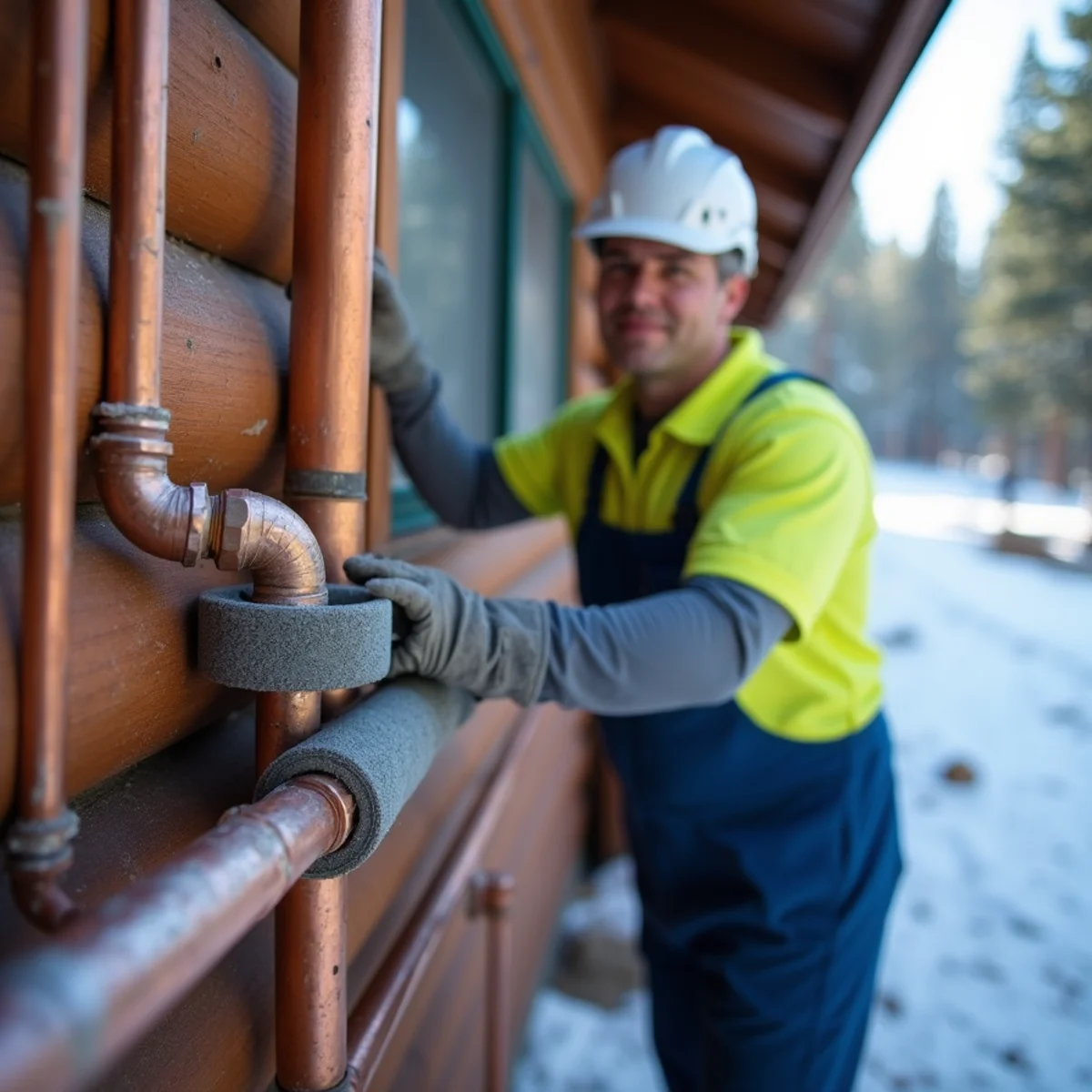
- Insulate exposed pipes — attic, crawlspace, garage, and exterior runs — with pipe insulation sleeves
- Insulate or cover outdoor hose bibs and disconnect garden hoses
- On the coldest nights, let a faucet drip slightly — moving water resists freezing
- Open cabinet doors under sinks on exterior walls to let warm air reach the pipes
- Keep the home heated to at least 55°F, even in rooms you don't use
- Know where your main shutoff is and make sure it turns freely
For vacation homes and cabins
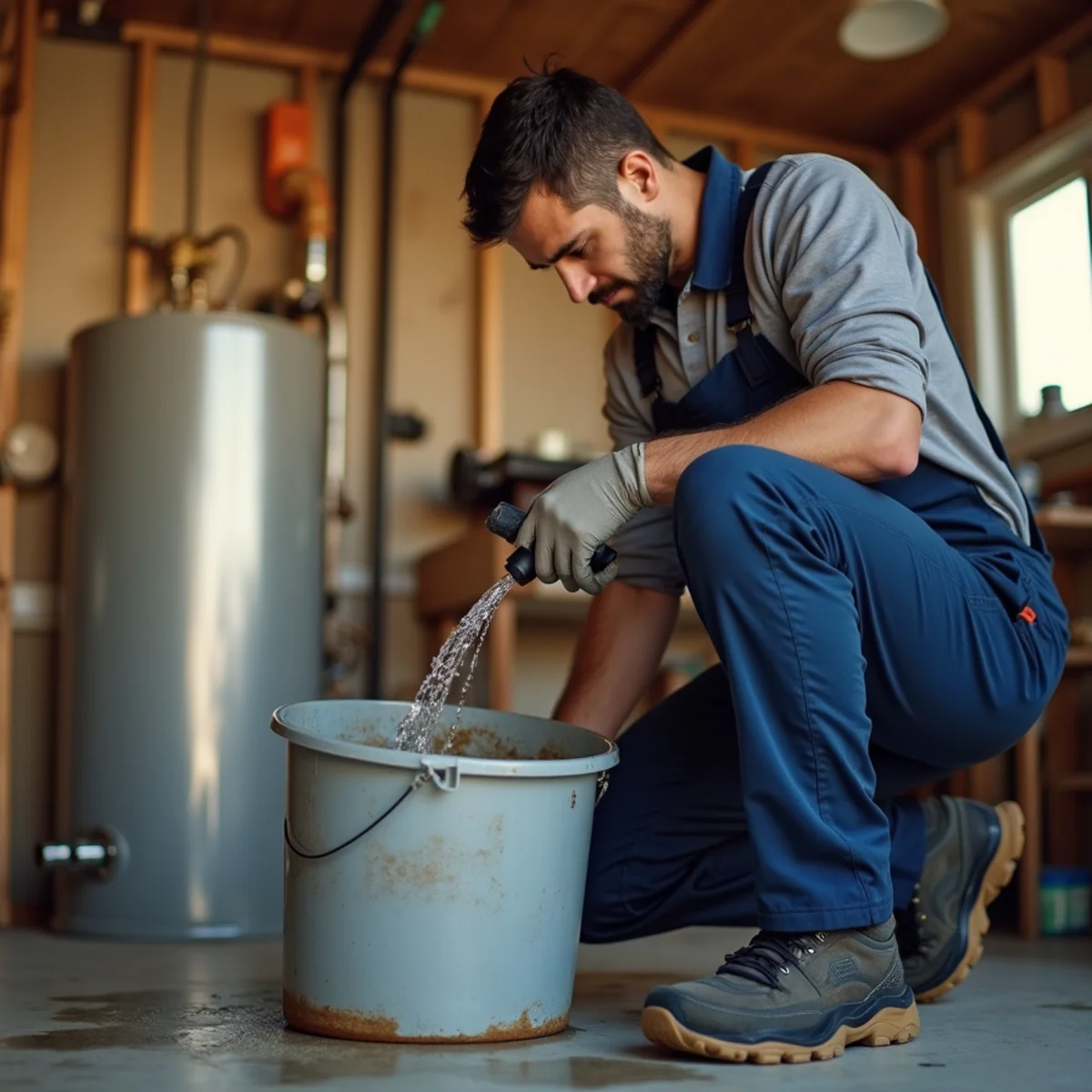
This is where Big Bear owners get caught. A cabin left unheated through a cold snap can freeze, burst, and flood for days before anyone knows. If you'll be away during winter, you have two good options: keep the heat set no lower than 55°F while you're gone, or fully winterize the home — shutting off the water at the main, draining the pipes and water heater, and adding antifreeze to drain traps. Full winterization is the safest choice for a cabin that will sit empty for weeks.
If a pipe freezes anyway
If you turn on a faucet and only a trickle comes out on a cold morning, a pipe is likely frozen. Shut off the main water valve as a precaution (in case the pipe has already cracked), open the faucet, and warm the frozen section gently with a hair dryer or space heater — never an open flame. Work from the faucet end toward the frozen area. If you can't locate or safely thaw it, or if you suspect it's already burst, call for help before you turn the water back on.
Get ahead of it with a professional check
A pre-winter plumbing check for a mountain or high-desert home identifies the vulnerable runs, gets them insulated, and — for vacation properties — sets up a proper winterization. It's a small, scheduled cost that prevents the far larger cost and hassle of a mid-winter burst. If you're heading into the season with an untested cabin, it's worth the visit.
Written by the licensed team at Riverside Plumbing Pros. Call (831) 290-4327 for help with any of the issues below.
From our licensed plumbers
Winterizing a vacation home the right way
The worst freeze damage we see isn't in occupied homes — it's in vacation cabins that sat empty and unheated through a cold snap, where a split line can flood undetected for days. If your Big Bear or high-desert place will be vacant, you have two legitimate strategies, and half-measures are what cause disasters. Either keep the heat set no lower than 55°F for the whole time you're away, or fully winterize: shut off the water at the main, drain the pipes and water heater, and add non-toxic antifreeze to the drain traps so they don't freeze and crack.
For occupied mountain homes, the details matter more than people expect. Letting a single faucet drip on the coldest nights keeps water moving so it resists freezing; opening cabinet doors under sinks on exterior walls lets warm air reach the pipes; and insulating the runs in unconditioned space — attic, crawlspace, garage — is cheap insurance. Knowing where your main shutoff is, and that it turns freely, is what limits the damage if a line lets go anyway.
Frequently asked questions
Yes. Unlike the valley floor, Big Bear (around 6,700 ft) and the high desert see real overnight freezes. Exposed and exterior pipes can freeze and burst, especially in unheated vacation homes.
Either keep the heat set no lower than 55°F, or fully winterize — shut off the water at the main, drain the pipes and water heater, and add antifreeze to the traps. Full winterization is safest for a cabin empty for weeks.
Shut off the main as a precaution in case it's already cracked, open the affected faucet, and warm the frozen section gently with a hair dryer or space heater — never an open flame — working from the faucet end toward the freeze. If you can't reach it or suspect it's split, call before turning the water back on.