Drains & Sewers
How to Find a Hidden Water Leak in Your Home
By Riverside Plumbing Pros·March 25, 20266 min read
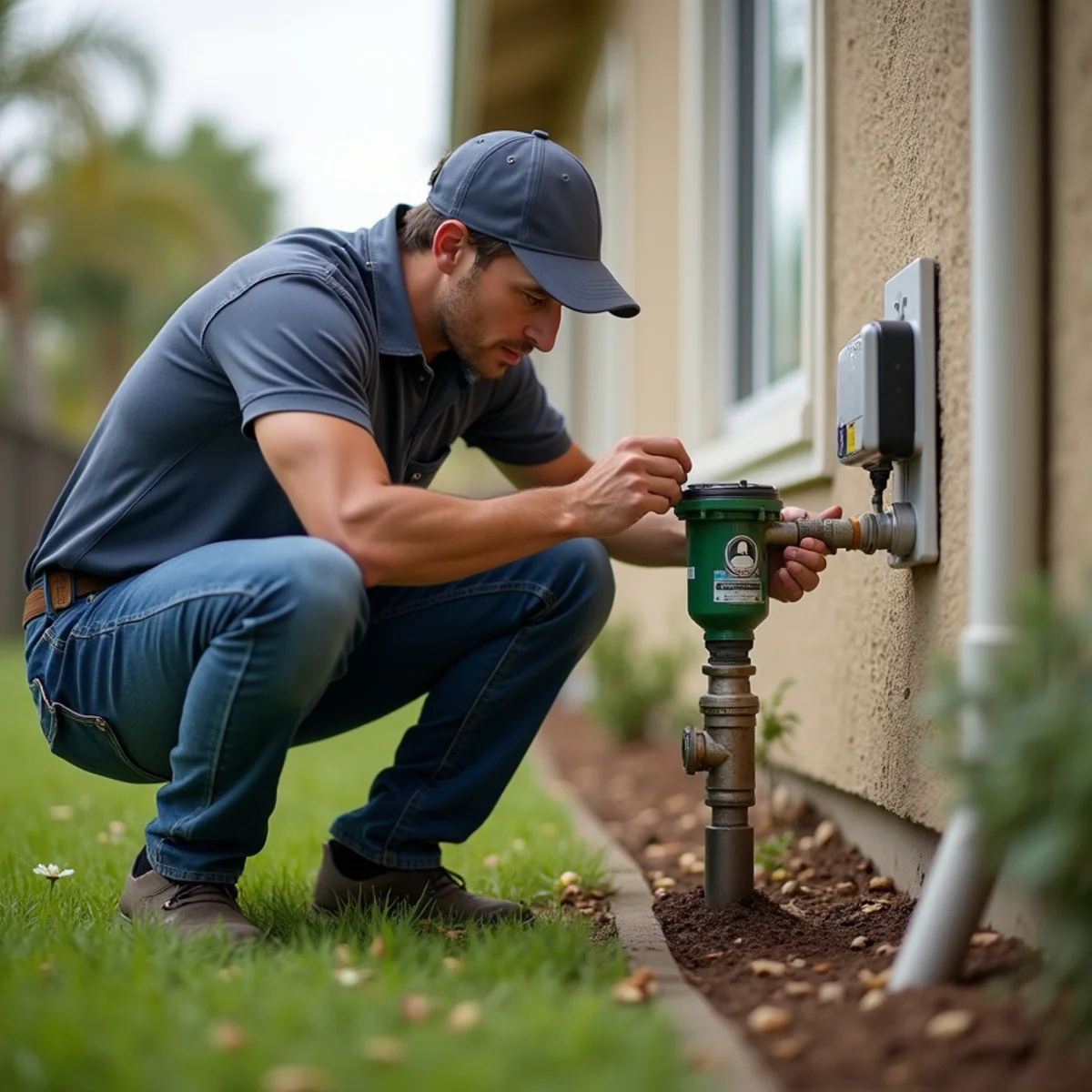
The water meter test is the single best DIY tool for confirming a hidden leak. Here's how to use it and what the signs mean.
A hidden leak — behind a wall, under a slab, or out in the yard — can waste water and cause damage for months before you catch it. You can't always see it, but you can confirm it, and often narrow it down, with a few simple checks before you call a pro. Here's how.
The water meter test
This is the most reliable DIY leak check there is. Turn off every water-using fixture and appliance in the house. Then find your water meter (usually in a box near the street) and look at it. Many meters have a small leak indicator — a triangle or a spinning dial — that moves when water is flowing. If it's moving with everything off, you have a leak. For a more thorough test, note the meter reading, wait an hour or two without using any water, and check it again. Any change means water is escaping somewhere.
Isolate inside vs. outside
Once you've confirmed a leak, you can narrow it down. If your home has a shutoff valve where the line enters the house, close it and repeat the meter check. If the meter stops moving, the leak is inside or under the house. If it keeps moving, the leak is on the service line between the meter and the house — common on the long runs at rural Norco and Woodcrest properties.
Signs that point to where it is
- Warm or damp floor spots → possible slab leak
- Stains, bubbling paint, or a musty smell on a wall or ceiling → in-wall or overhead leak
- Constantly damp or unusually green patch in the yard → underground or irrigation-line leak
- The sound of running water with everything off → active hidden leak nearby
- A water heater area that's always damp → tank or connection leak
Check the usual suspects first
Before assuming the worst, rule out the easy ones. A running toilet is the most common hidden water-waster in a home — drop a little food coloring in the tank, wait 15 minutes without flushing, and if color appears in the bowl, the flapper is leaking. Also check under sinks, around the water heater, and at outdoor hose bibs and irrigation valves.
When to call for professional leak detection
If the meter test confirms a leak but you can't see it, that's the point to bring in professional detection. We use acoustic and electronic equipment plus pressure testing to pinpoint the exact location — inside a wall, under the slab, or along a buried line — so the repair opens the smallest possible area. That precision is the difference between a targeted fix and exploratory demolition, and it's especially valuable on slab and underground leaks where guessing gets expensive fast.
Written by the licensed team at Riverside Plumbing Pros. Call (831) 290-4327 for help with any of the issues below.
From our licensed plumbers
How professional leak detection narrows it down
The meter test tells you a leak exists; professional detection tells you exactly where, and the sequence matters. We start by isolating the system — closing the house valve to separate an interior leak from a service-line leak between the meter and the home, which is common on the long runs at rural Norco and Woodcrest properties. From there, acoustic sensors listen for the specific frequency of water escaping under pressure, and electronic equipment pinpoints it to within inches, so we open a hand-sized patch instead of a wall.
Not every 'leak' is a pipe, and part of the expertise is ruling things out before opening anything. Condensation on a cold line, a roof or window intrusion that only shows in rain, and a sweating toilet tank all mimic plumbing leaks. Confirming the source with a pressure test first is what prevents the expensive mistake of cutting into the wrong wall — the difference between a targeted repair and exploratory demolition.
Frequently asked questions
Run the meter test: turn off all water, then watch the meter's leak indicator or compare readings over an hour or two. If it moves with everything off, you have a leak. Then check for damp spots, stains, and the sound of running water.
We use acoustic and electronic leak-detection equipment with pressure testing to pinpoint the exact spot, so we open only the small area needed for the repair instead of guessing.
Absolutely — a slab leak, an underground service-line leak, or a silently running toilet can waste hundreds of gallons a day with no puddle to see. The meter test (all water off, watch the dial) is the fastest way to confirm it before calling for detection.