Hard Water
Riverside's Hard Water: What It Does to Your Pipes
By Riverside Plumbing Pros·April 1, 20266 min read
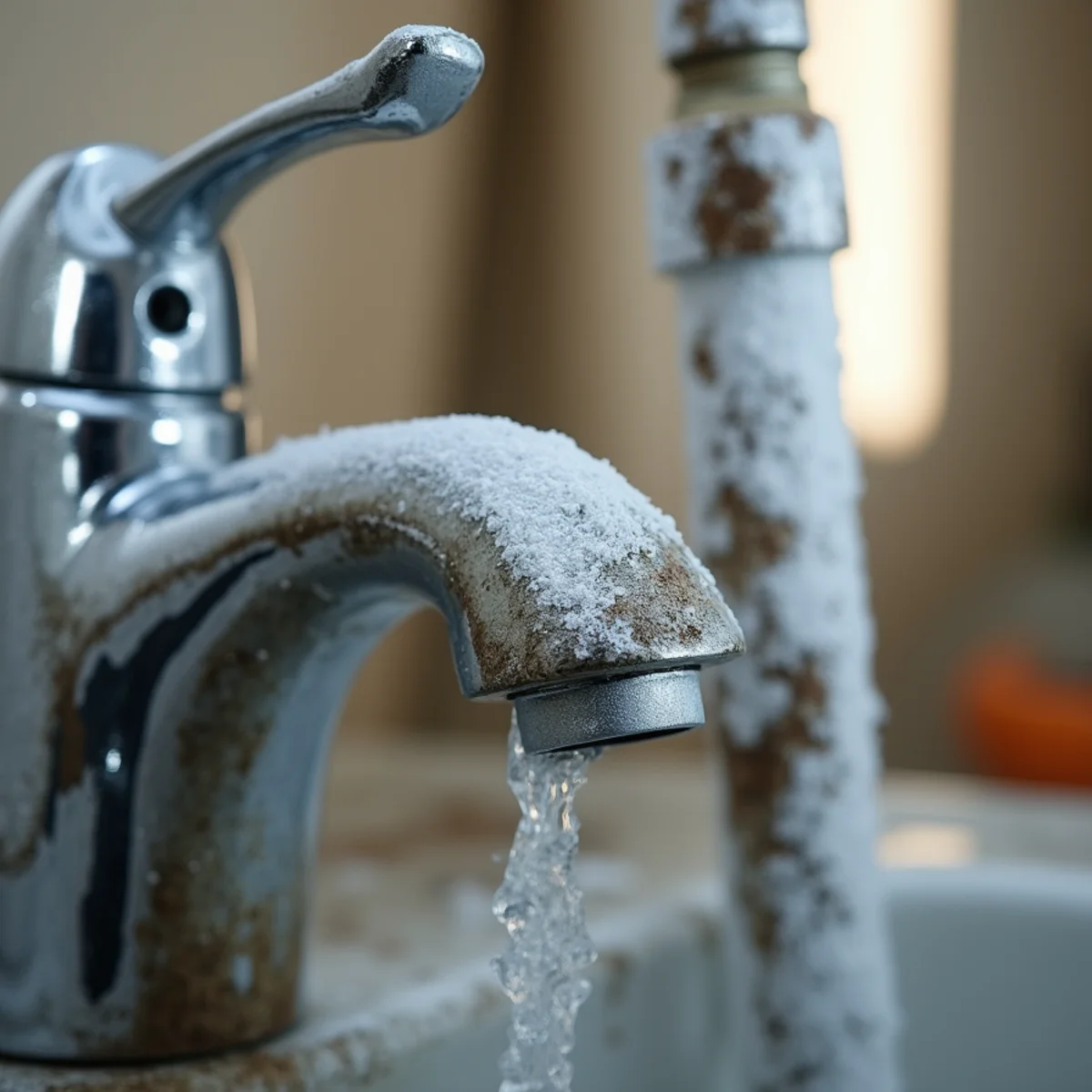
That white crust on your faucets is a warning sign. Here's what Riverside's hard water is quietly doing inside your plumbing.
If your faucets crust over with white deposits, your soap won't lather, and your water heater rumbles, you're experiencing hard water — and in Riverside, that's the norm, not the exception. Riverside Public Utilities reports average hardness of 197 mg/L as CaCO₃, or about 12 grains per gallon, which is firmly in the 'hard' range. Here's what that mineral load does inside your plumbing, and what you can do about it.
What 'hard water' actually means
Hard water is simply water with a high concentration of dissolved minerals, mainly calcium and magnesium. It's not a health hazard, but as the water moves through your pipes and heats up, those minerals precipitate out and stick to surfaces as scale. Over years, that scale accumulates everywhere water flows or sits.
What it does to your pipes
Inside your pipes, scale gradually narrows the interior diameter, restricting flow. It's especially hard on older galvanized lines, where scale and corrosion combine to choke the pipe from the inside — the reason many older Riverside and Rubidoux homes suffer weak pressure and discolored water. Once a pipe is significantly scaled and corroded, cleaning won't restore it; repiping is the real fix.
What it does to your water heater
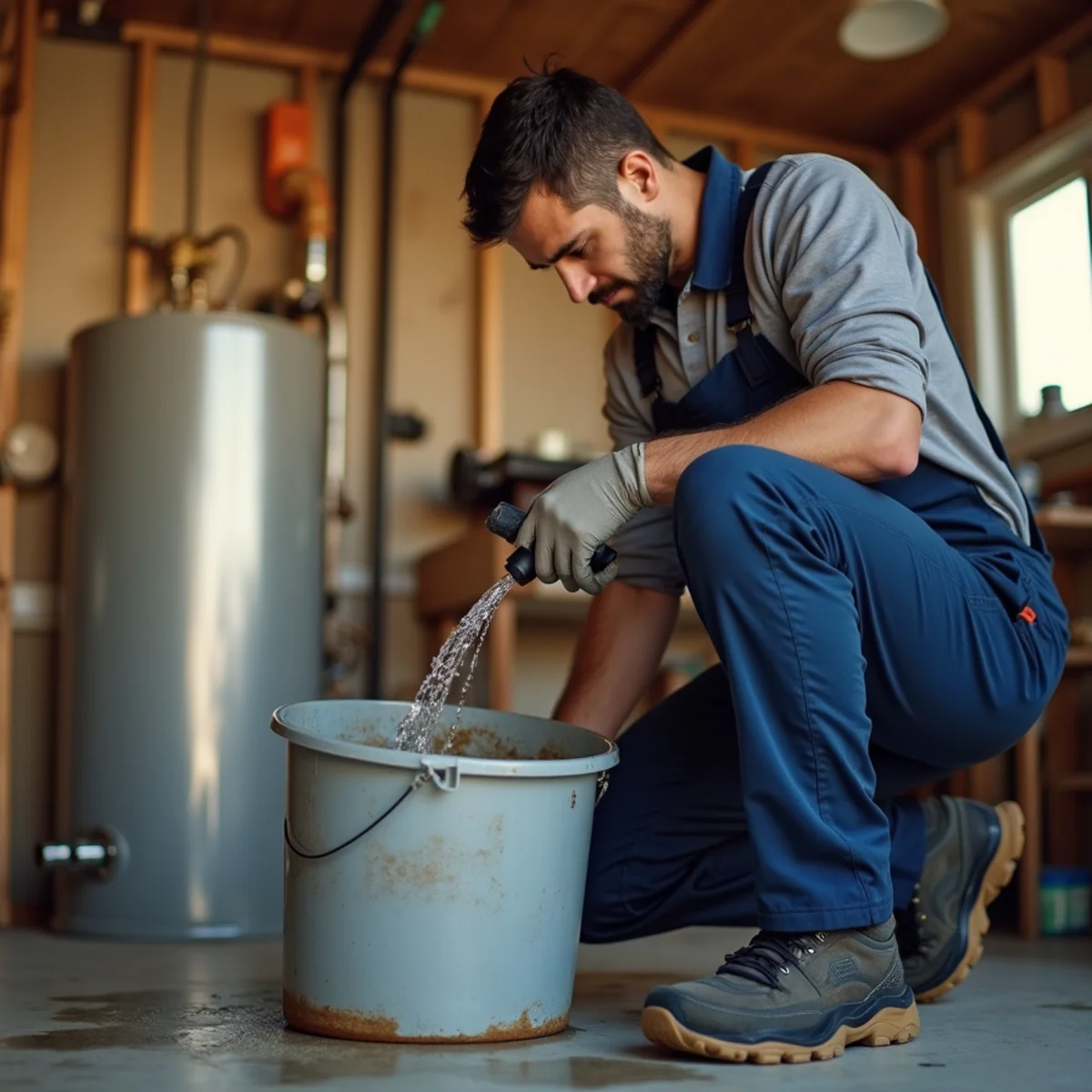
Your water heater takes the worst of it because heat accelerates scale formation. In a tank, minerals settle to the bottom and coat the heating elements — that rumbling or popping sound is water trying to bubble up through a layer of hardened scale. This makes the heater work harder, raises your energy bill, and shortens its life, which is why heaters in this region often don't reach their rated lifespan. In a tankless unit, scale coats the heat exchanger and causes error codes and failures if it isn't descaled.
What it does to fixtures and appliances
- Faucets and showerheads clog with scale, weakening flow
- Valves and angle stops seize up, making simple repairs harder
- Dishwashers and washing machines wear out faster
- Glassware and dishes come out spotted and etched
- Soap and detergent don't lather, so you use more of everything
How to fix it
The solution is treatment at the source. A whole-house water softener removes the calcium and magnesium that cause scale, protecting every pipe, fixture, and appliance downstream. If taste, odor, chlorine, or sediment are also concerns, a filtration system addresses those; many Riverside homes benefit from both. Treating the water is also how you protect a new water heater or a fresh repipe — it's what makes those investments last their full life in this hard-water region.
Written by the licensed team at Riverside Plumbing Pros. Call (831) 290-4327 for help with any of the issues below.
From our licensed plumbers
What hard-water scale does inside your system over time
Scale doesn't fail your plumbing overnight — it does it a fraction of a millimeter at a time, everywhere water flows or heats. Inside supply lines it gradually narrows the bore, which is why older galvanized homes in Riverside and Rubidoux end up with weak pressure that no amount of aerator cleaning fixes. Inside a water heater it insulates the burner or elements from the water, so the unit works harder, costs more to run, and dies younger. None of it is dramatic, which is exactly why it's easy to ignore until several small failures land at once.
The fix is treatment at the point of entry, but sizing it correctly is where expertise comes in. An undersized softener can't keep up with a household's peak flow and lets hardness slip through — a common problem we correct in high-hardness areas. Matching the system to your actual water usage, and pairing softening with sediment or carbon filtration only where the water quality calls for it, is what turns a treatment system from a maintenance headache into the thing that quietly protects every appliance downstream.
Frequently asked questions
Riverside Public Utilities reports about 197 mg/L as CaCO₃ — roughly 12 grains per gallon, which is firmly 'hard.' That's what scales your fixtures, water heater, and pipes over time.
Over years, yes — scale narrows the pipe interior and is especially hard on older galvanized lines, restricting flow and discoloring water. It also shortens water-heater and appliance life. A softener stops the process at the source.
Yes — hardness is a mineral-content issue, not a safety one, and it isn't a health hazard. It's a plumbing and appliance problem: scale on fixtures, heaters, and pipes. Filtration is about taste and equipment protection, not safety.