Emergency Response
Sewer Backing Up? Emergency Steps Before We Arrive
By Riverside Plumbing Pros·January 21, 20266 min read
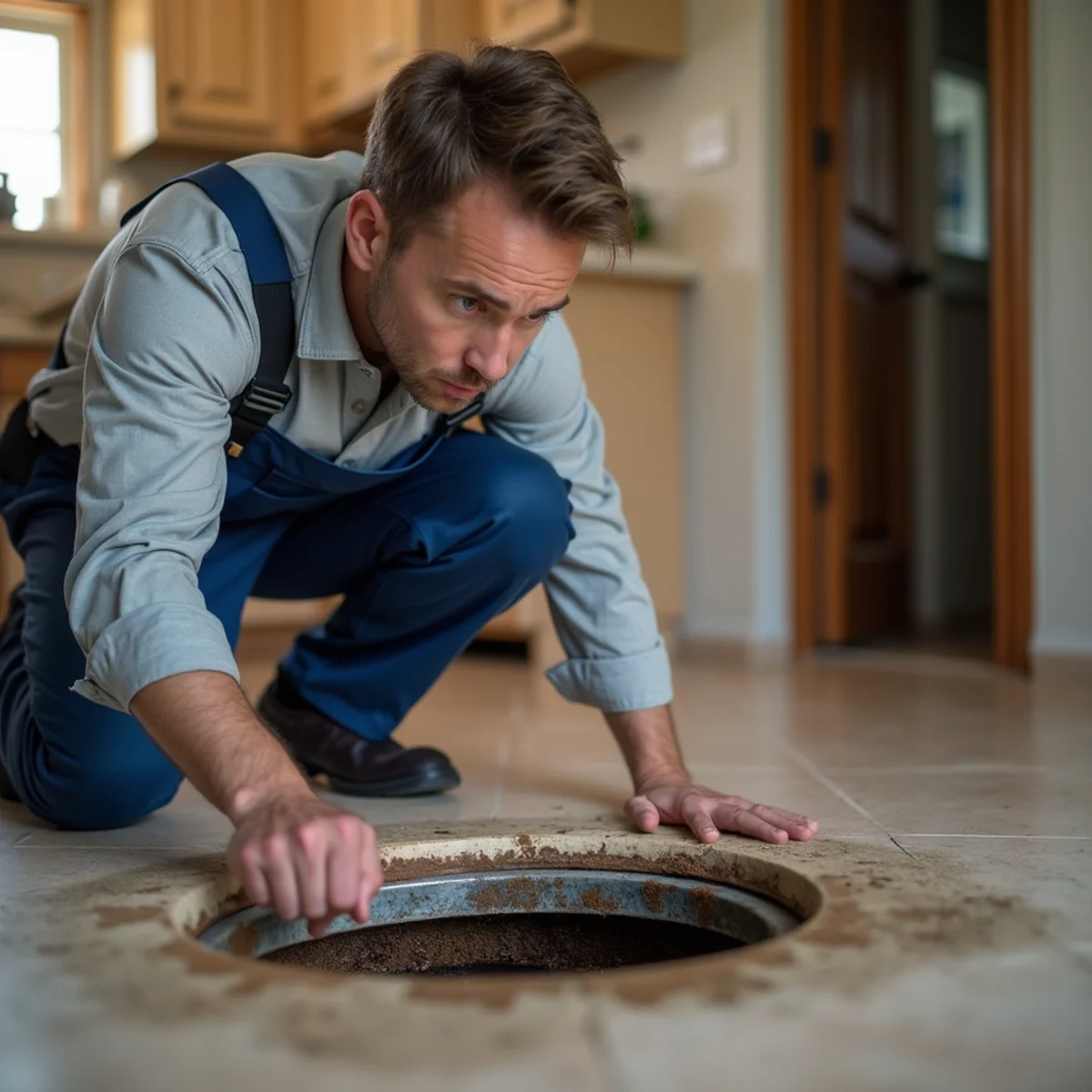
A sewer backup is a health hazard, not just a mess. Here's how to protect your household and your home while help is on the way.
When wastewater starts coming up through your lowest drains — a floor drain, a shower, a tub — you're dealing with a sewer backup, and it's one of the more serious plumbing emergencies because the water is contaminated. The priority shifts from just stopping water to protecting your household's health.
Stop using water immediately
Every flush, every load of laundry, every sink adds to what's backing up. Tell everyone in the house to stop running water entirely until the line is cleared. This alone often keeps a backup from getting dramatically worse.
Keep people and pets away from the contaminated water
Sewage carries bacteria and pathogens. Don't wade into it without proper protection, keep kids and pets clear, and don't try to shop-vac it up yourself. If it has spread across finished floors, ventilate the area if you can do so safely.
Don't reach for chemical drain cleaners
It's tempting, but chemical cleaners won't clear a main-line blockage and their residue becomes a hazard for the plumber working in that contaminated water. If you've already used one, just tell us so we can work safely.
Document for insurance, then call
Photograph the affected areas and any damaged belongings before cleanup. Then call for urgent service. We respond 24/7, and the first thing we do is determine whether this is a main-line clog or actual line damage — because the fix is very different.
Clog or damaged line? Why it matters
A main-line clog can be cleared, often with hydro jetting that scours the whole pipe clean rather than just punching a hole through the blockage. But if the backup is caused by roots invading a cracked lateral, an offset joint, or a collapsed section, no amount of cleaning fixes it for long. That's why we camera the line: you see the actual condition, and the repair — spot fix, trenchless rehab, or replacement — is chosen from evidence, not a guess.
Common causes in older Riverside-area homes
In the older neighborhoods of Colton, San Bernardino, and Riverside itself, deteriorating clay and cast-iron sewer laterals are the usual culprits, often with tree roots exploiting the cracks. In restaurants and commercial kitchens, it's grease. Recurring backups are almost never bad luck — they're a symptom of something in the pipe that a camera will reveal.
Written by the licensed team at Riverside Plumbing Pros. Call (831) 290-4327 for help with any of the issues below.
From our licensed plumbers
Why a backup that clears itself is still a warning
One thing we tell every customer: a sewer backup that seems to resolve on its own has not fixed anything — it has just found enough room to drain past whatever is in the line. The obstruction, root mass, or grease shelf is still there, and it will catch again, usually at the worst possible time. That's why we treat even a 'minor' backup as a reason to camera the main, especially in older Colton, San Bernardino, and Riverside neighborhoods where clay and cast-iron laterals dominate.
The camera also settles the question of responsibility, which matters financially. Your private sewer lateral runs from the house to the city connection and is typically yours to maintain; damage past that point may be the city's. We locate exactly where the problem sits and how deep, so if the city needs to be contacted before excavation, that happens before a shovel touches the ground — not after you've paid to dig up the wrong section.
Frequently asked questions
Yes — it's a contamination and health hazard, and it gets worse with every use of water. Stop using water, keep everyone away from the sewage, and call for 24/7 service.
Your private sewer lateral runs from the house toward the city connection and is typically the homeowner's responsibility, though it depends on location and connection. We identify the affected section and confirm whether the city must be contacted before excavation.
Keep everyone out of the contaminated water and ventilate the area if you can do so safely, but you don't usually need to leave the home. Stop all water use, keep kids and pets away from the affected rooms, and wait for professional cleanup rather than shop-vaccing sewage yourself.