Drains & Sewers
Tankless vs. Tank Water Heaters: Which Suits Riverside?
By Riverside Plumbing Pros·March 11, 20267 min read
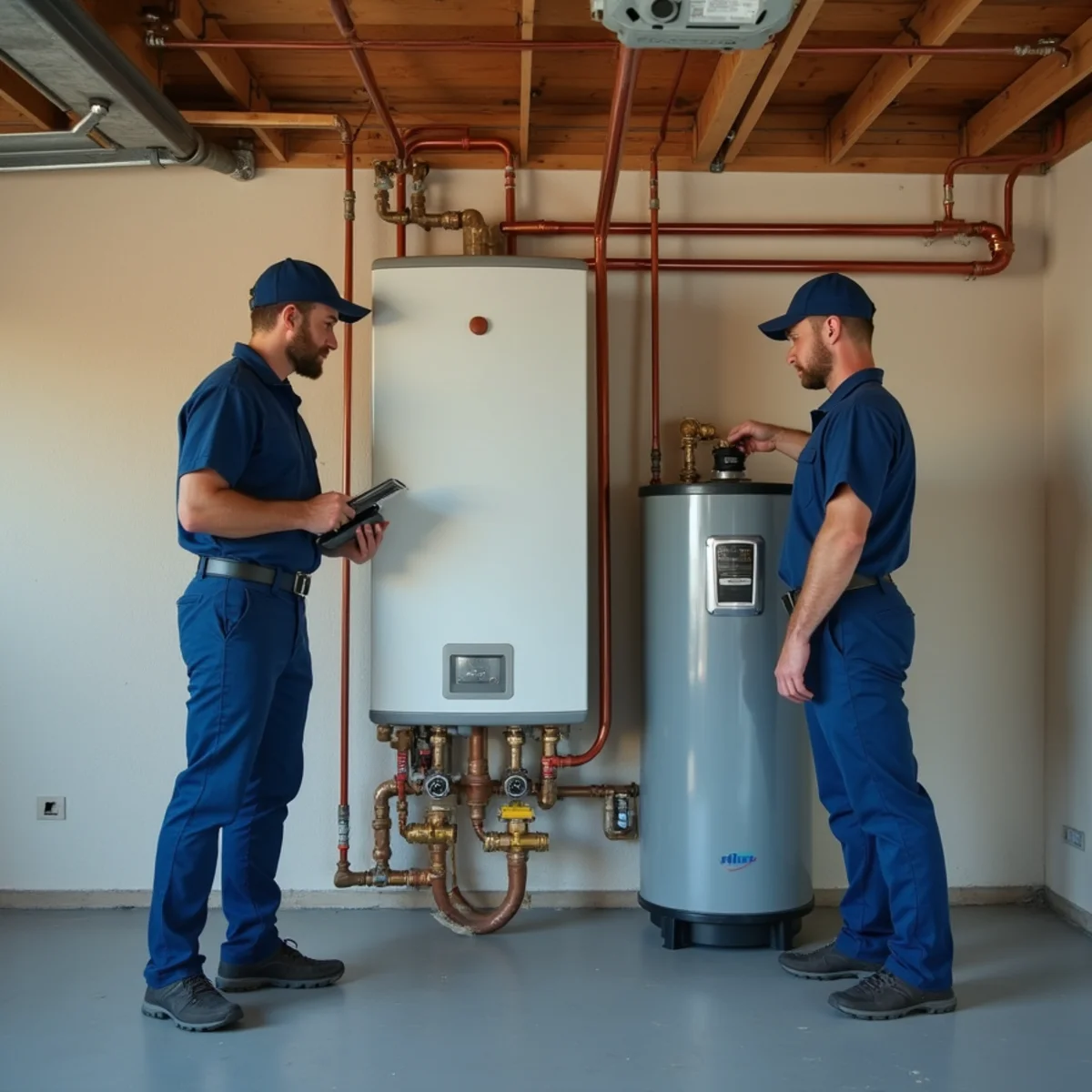
Both are good choices — but Riverside's hard water and your home's gas and venting tilt the decision. Here's how to choose.
When it's time to replace a water heater, the tank-vs-tankless question comes up every time. Both are solid choices, and the right one depends on your home, your hot-water habits, and — this matters a lot in Riverside — how you plan to handle hard water. Here's an honest comparison.
How each one works
A conventional tank heater keeps 40–50 gallons hot and ready around the clock. A tankless (on-demand) unit heats water only as it flows, so it never runs out and doesn't store water. That core difference drives every trade-off below.
Up-front cost
Tank wins here. A 40–50 gallon tank replacement runs a published Riverside range of about $1,427–$2,088. Tankless costs more to install, partly because it often requires a larger gas line and new venting. If budget is the deciding factor right now, a quality tank heater is a perfectly good choice.
Lifespan and long-term value
Tankless wins on lifespan — 20-plus years versus about 8–12 for a tank, and often less than that in hard water. Tankless also cuts standby energy loss because it isn't reheating a stored tank all day. Over the full lifespan, tankless frequently comes out ahead, especially when you factor in that you're not replacing it as often.
The hard-water factor (this is the big one in Riverside)
Riverside's water runs about 12 grains per gallon. That scales any water heater, but it affects the two types differently. In a tank, scale collects on the bottom and elements — that's the rumbling you hear — and shortens the unit's life. In a tankless, scale builds on the heat exchanger and, if ignored, causes error codes, temperature swings, and eventually failure. The fix is the same for both: pair the heater with a water softener. With a tankless unit, annual descaling is also part of the maintenance that keeps the long lifespan real.
Space and hot-water demand
Tankless frees up floor space and is great for homes that want endless hot water or run several fixtures at once — as long as it's sized correctly for that simultaneous demand. Tank heaters can run out during back-to-back showers but recover on their own. A large household with heavy simultaneous use is a strong tankless candidate; a smaller household on a budget may be perfectly served by a tank.
How to decide
- Tight budget right now → quality tank heater plus a softener
- Want endless hot water and long lifespan → tankless plus a softener and annual descaling
- Limited space → tankless frees the footprint
- Gas/venting can't support tankless affordably → tank is the practical call
Written by the licensed team at Riverside Plumbing Pros. Call (831) 290-4327 for help with any of the issues below.
From our licensed plumbers
Sizing and maintenance: where these systems really differ
The failure mode people don't anticipate with tankless is undersizing. A unit that's fine for one shower can't feed two showers and a dishwasher at once, and the result is lukewarm water that gets blamed on the heater when it's really a sizing miss. We calculate the flow rate across your realistic simultaneous demand before recommending a unit, because a right-sized tankless is excellent and an undersized one is a daily frustration.
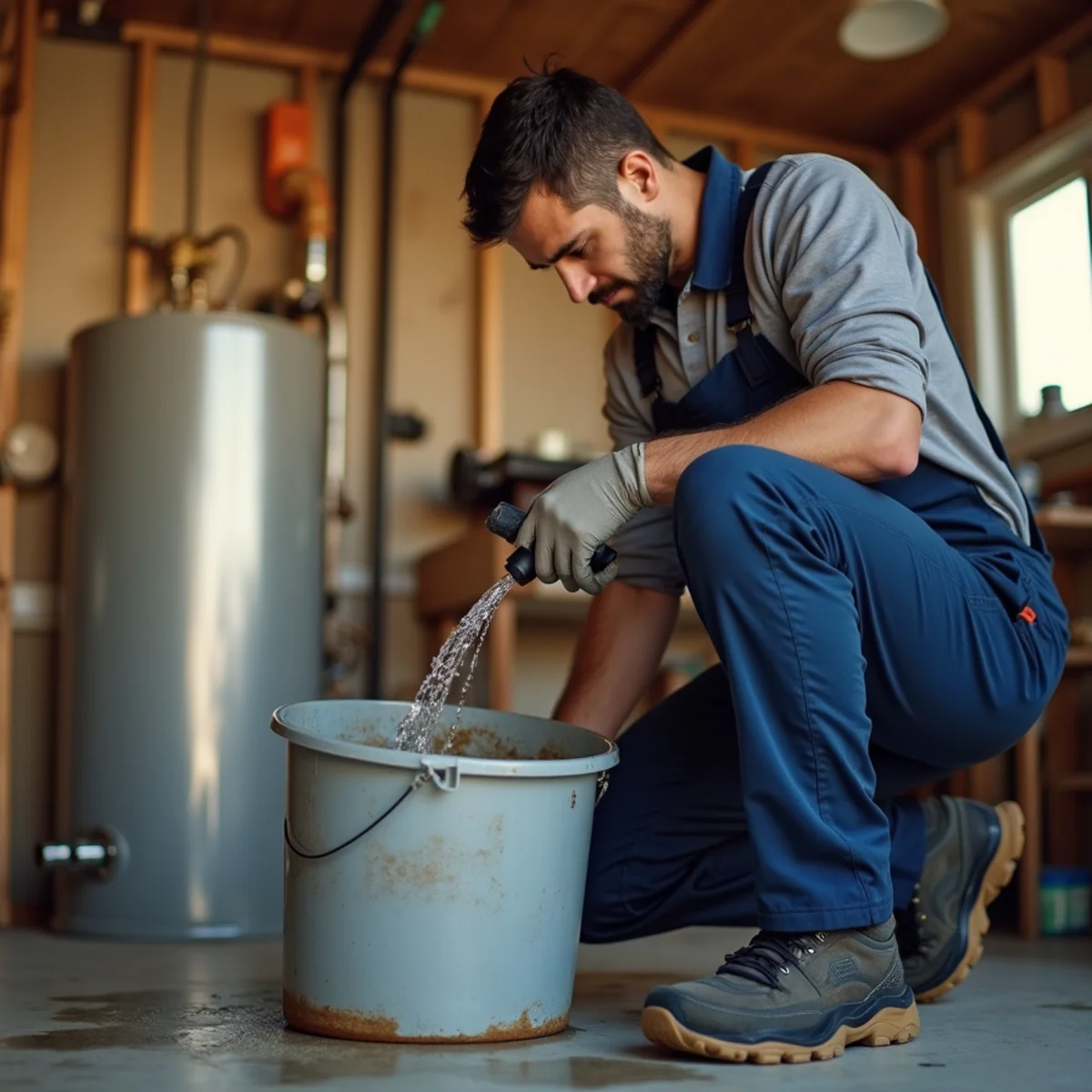
Maintenance is the other fork in the road. A tank needs an annual flush to clear the sediment our hard water drops to the bottom; skip it and you get the tell-tale rumble and a shortened life. A tankless needs an annual descale of the heat exchanger, and it will throw error codes if that scale is ignored. Neither is maintenance-free here — the real question is which maintenance rhythm fits your household, and whether you'll pair either one with a softener to slow the scale at the source.
Frequently asked questions
Yes, as long as it's protected. Pair it with a water softener and descale it annually so the hard-water scale doesn't foul the heat exchanger. Done right, it delivers its full 20-plus-year lifespan.
Tank is cheaper up front (about $1,427–$2,088 for a 40–50 gallon replacement). Tankless costs more to install but lasts longer and uses less standby energy, often winning over its lifespan.
In most homes, yes — but it often requires a larger gas line and new venting, which affects the cost. We confirm your gas and venting can support the unit before quoting, so there are no mid-job surprises.