Cost & Insurance
Water Heater Replacement Cost in the Inland Empire
By Riverside Plumbing Pros·February 18, 20267 min read
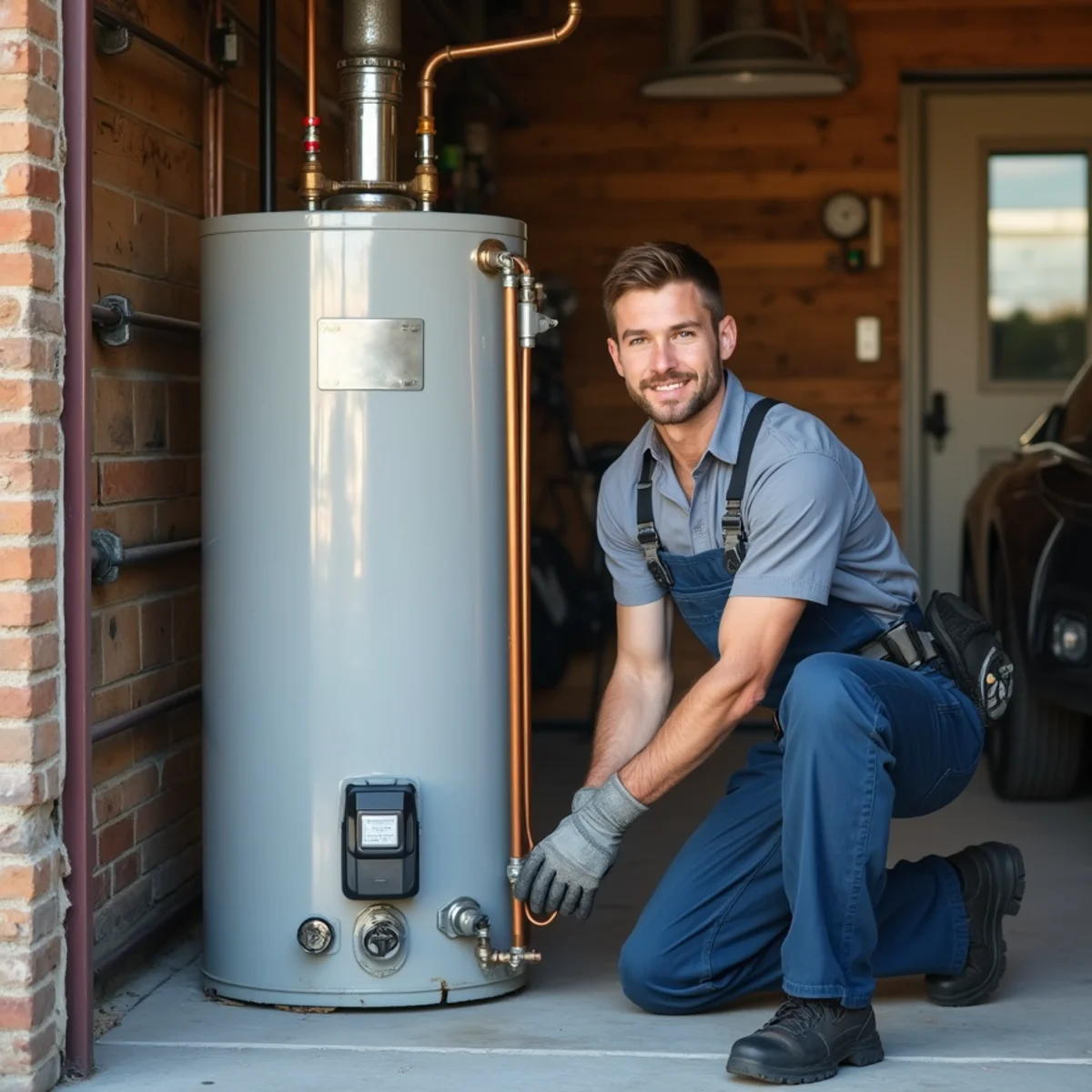
Tank or tankless, and what really moves the number — a straight look at water heater replacement pricing in the Riverside area.
A water heater usually fails without much warning, which means the replacement decision gets made under pressure. Knowing the numbers ahead of time helps you make a smart call instead of a rushed one. Here's what replacement costs in the Inland Empire and what drives the price.
The published ranges
A 40–50 gallon tank water heater replacement runs a published Riverside range of about $1,427–$2,088, with broader guidance from $950 to $4,100. Tankless installations run higher up front, but they last longer and eliminate standby energy loss. The spread is wide because 'replacement' can mean a straightforward like-for-like swap or a job that requires venting, gas, or electrical upgrades to meet current code.
Tank vs. tankless
A tank heater is cheaper to install and simpler to service, but it stores 40–50 gallons of hard water that steadily collects sediment, and it eventually rusts out. A tankless unit heats on demand for endless hot water and a 20-year-plus lifespan, but costs more up front and, in our hard-water region, needs annual descaling to protect the heat exchanger. For many Inland Empire homes, tankless paired with a softener is the best long-term value — but not every home's gas line and venting support it without upgrades.
What moves the price
- Tank vs. tankless and the unit's capacity and efficiency rating
- Whether the gas line needs upsizing (common for tankless)
- New venting and condensate handling for high-efficiency units
- Access — a tight closet or attic install costs more than a garage
- Permit and inspection for regulated replacement work
- Old-unit removal, a new expansion tank, and code-required shutoffs
The hard-water factor
Riverside's water runs about 197 mg/L as CaCO₃ — roughly 12 grains per gallon. That mineral load collects on a tank's bottom and heating elements, which is the rumbling sound you hear from an aging heater and the reason units in this region often don't reach their rated lifespan. Adding a softener protects the investment, whether you choose tank or tankless.
Repair or replace?
If your unit is under about 8 years old with a minor part failure — a thermostat, an element, a valve — repair usually makes sense. Past 10 years, with rust in the hot water or a leaking tank, replacement is the better spend. A leaking tank is not repairable, and running it risks a flood. We'll give you an honest repair-vs-replace comparison rather than defaulting to the bigger sale.
Written by the licensed team at Riverside Plumbing Pros. Call (831) 290-4327 for help with any of the issues below.
From our licensed plumbers
The lifetime-cost math most homeowners skip
Comparing a tank and a tankless unit on sticker price alone is the wrong math in the Inland Empire. A tank is cheaper to install, but in our roughly 12-grain water an untreated unit often scales out years before its rated life, and you pay the install again sooner than you'd think. A tankless costs more up front, lasts 20-plus years, and cuts the standby loss of reheating a stored tank — but only if it's descaled annually and, ideally, fed softened water. Over a decade, the treated system frequently wins.
There's also a hidden install variable: what your home already has. If a tankless conversion needs a larger gas line and new stainless venting, that changes the quote substantially, and it's why two identical homes can get very different tankless prices. We check the gas and venting before quoting so you get a real number, and we'll tell you honestly when a quality tank plus a softener is the smarter spend for your situation.
Frequently asked questions
A 40–50 gallon replacement runs a published Riverside range of about $1,427–$2,088, with broader guidance of $950–$4,100. Tankless runs higher up front but lasts longer. Venting, gas/electric changes, access, and permits move the final number.
For many homes, yes — especially paired with a softener to handle our hard water. It delivers endless hot water and a much longer lifespan, but confirm your gas line and venting can support it without expensive upgrades.
A tank heater often reaches only 8–12 years here, and less if it's never flushed, because scale builds on the tank bottom and elements. A softener and an annual flush noticeably extend that — one reason we recommend treating the water alongside any new install.