Hard Water
Is a Water Softener Worth It in the Inland Empire?
By Riverside Plumbing Pros·April 8, 20266 min read
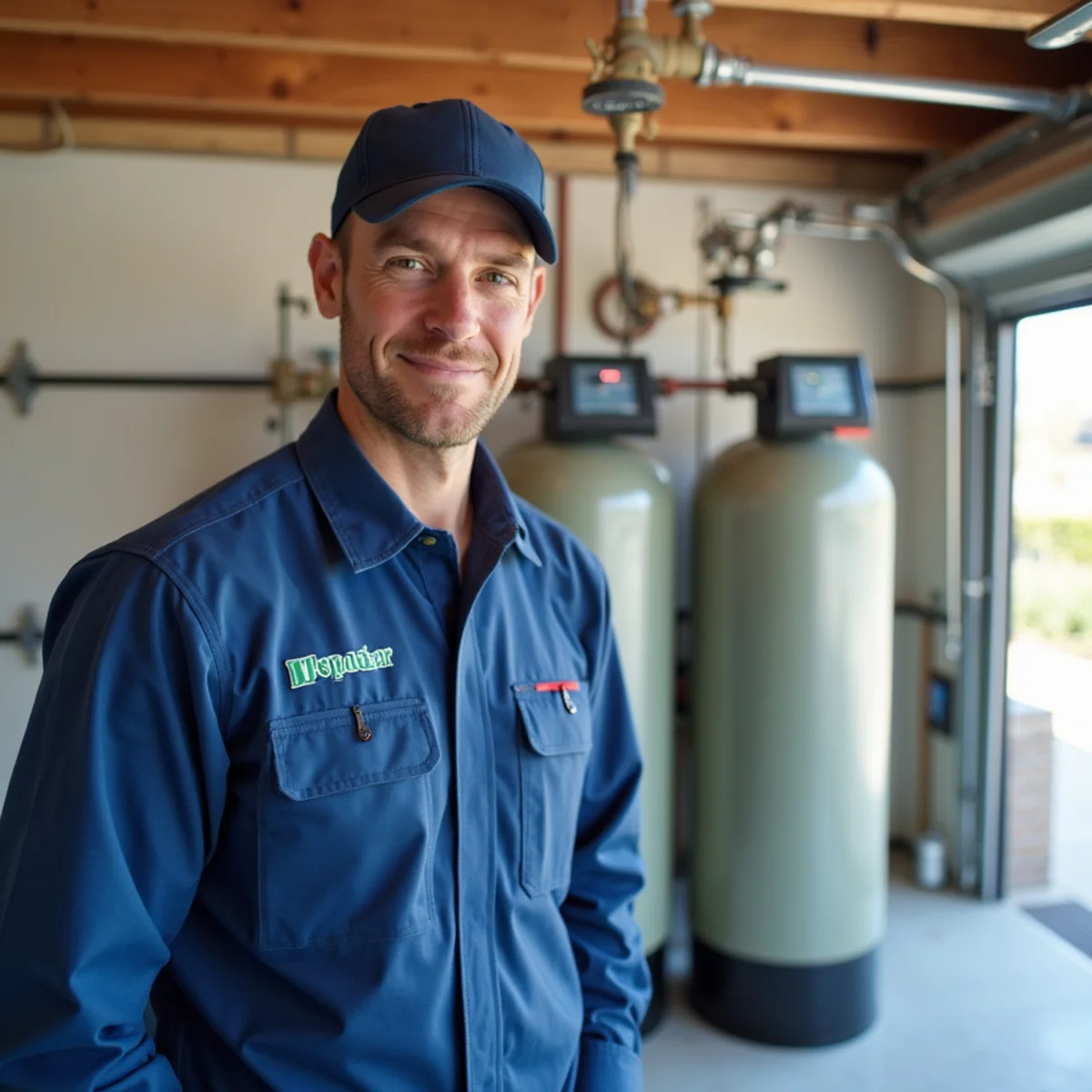
With water running 12 grains hard across the Inland Empire, a softener isn't a luxury — it's usually a money-saver. Here's the math.
A water softener is a real investment, so the fair question is whether it pays off. In the Inland Empire, where water runs around 12 grains per gallon, the answer for most homes is yes — not because soft water feels nice (though it does), but because of what a softener saves you over time. Here's the honest breakdown.
What a softener actually does
A whole-house softener removes the calcium and magnesium that make water 'hard,' before that water reaches any of your plumbing. Every fixture, appliance, and pipe downstream gets treated water instead of scale-forming water. It's a one-time install with simple ongoing maintenance — usually just keeping it supplied with salt.
Where the payback comes from
- Water heater lifespan — untreated hard water can cut a heater's life by years; protecting it defers a $1,400–$2,000+ replacement
- Appliance lifespan — dishwashers, washing machines, and coffee makers last noticeably longer on soft water
- Fewer plumbing repairs — less scale means valves, angle stops, and fixtures don't seize and fail as often
- Energy savings — a scale-free water heater runs more efficiently, lowering the gas or electric bill
- Less soap, detergent, and cleaning product — soft water lathers, so you use far less
The everyday quality-of-life difference
Beyond the dollars, softened water changes daily life in ways people notice immediately: no more scrubbing scale off faucets and shower doors, spot-free glassware, softer laundry, and skin and hair that don't feel filmy after a shower. These aren't the reason to buy a softener, but they're a real bonus on top of the savings.
Softener vs. filtration — know the difference
People often conflate the two. A softener removes hardness minerals to stop scale. A filtration system targets taste, odor, chlorine, or sediment. They solve different problems, and many Inland Empire homes benefit from both — a softener for the scale and a filter for water quality at the tap. A good plumber will recommend only what your specific water needs, not a package you don't.
When it might not be worth it
If you're renting, moving soon, or your home already has treated water, the math changes. And a softener needs to be sized correctly for your household's flow — an undersized unit can't keep up with the mineral load, which is a common problem we fix in high-hardness areas like Hemet and San Jacinto. The right answer comes from matching the system to your water and your home, which is a quick conversation.
Written by the licensed team at Riverside Plumbing Pros. Call (831) 290-4327 for help with any of the issues below.
From our licensed plumbers
Running the payback on a softener honestly
The case for a softener isn't the soft-water feel — it's deferred replacement costs. In the Inland Empire's roughly 12-grain water, untreated hard water shortens the life of the single most expensive fixture in the house, your water heater, and quietly wears dishwashers, washing machines, and coffee makers. A softener that protects a $1,400–$2,000 heater from an early death, plus the appliances downstream, usually pays for itself well within its service life — before you even count the soap and detergent you stop buying.
Where we tell people to hold off is just as important as where we recommend one. If you're renting, moving soon, or already on treated water, the math changes. And a softener has to be sized to the household — an undersized unit is a common, avoidable disappointment. The strongest case is timing it with other work: installing it alongside a new water heater or a repipe protects the investment you're already making, which is why we often raise it during those jobs rather than as a standalone upsell.
Frequently asked questions
For most homes here, yes. It protects your water heater, pipes, and appliances from scale, cuts soap and energy use, and reduces plumbing repairs — savings that typically outweigh the cost, especially alongside a new heater or repipe.
A softener removes hardness (scale); a filter addresses taste, odor, chlorine, or sediment. Many Inland Empire homes benefit from both. We recommend only what your water actually needs.
A softener removes the calcium and magnesium that cause scale; a filter targets taste, odor, chlorine, or sediment. They solve different problems, and many Inland Empire homes benefit from both — we recommend only what your specific water actually needs.