Emergency Response
What to Do When a Pipe Bursts in Your Riverside Home
By Riverside Plumbing Pros·January 14, 20266 min read
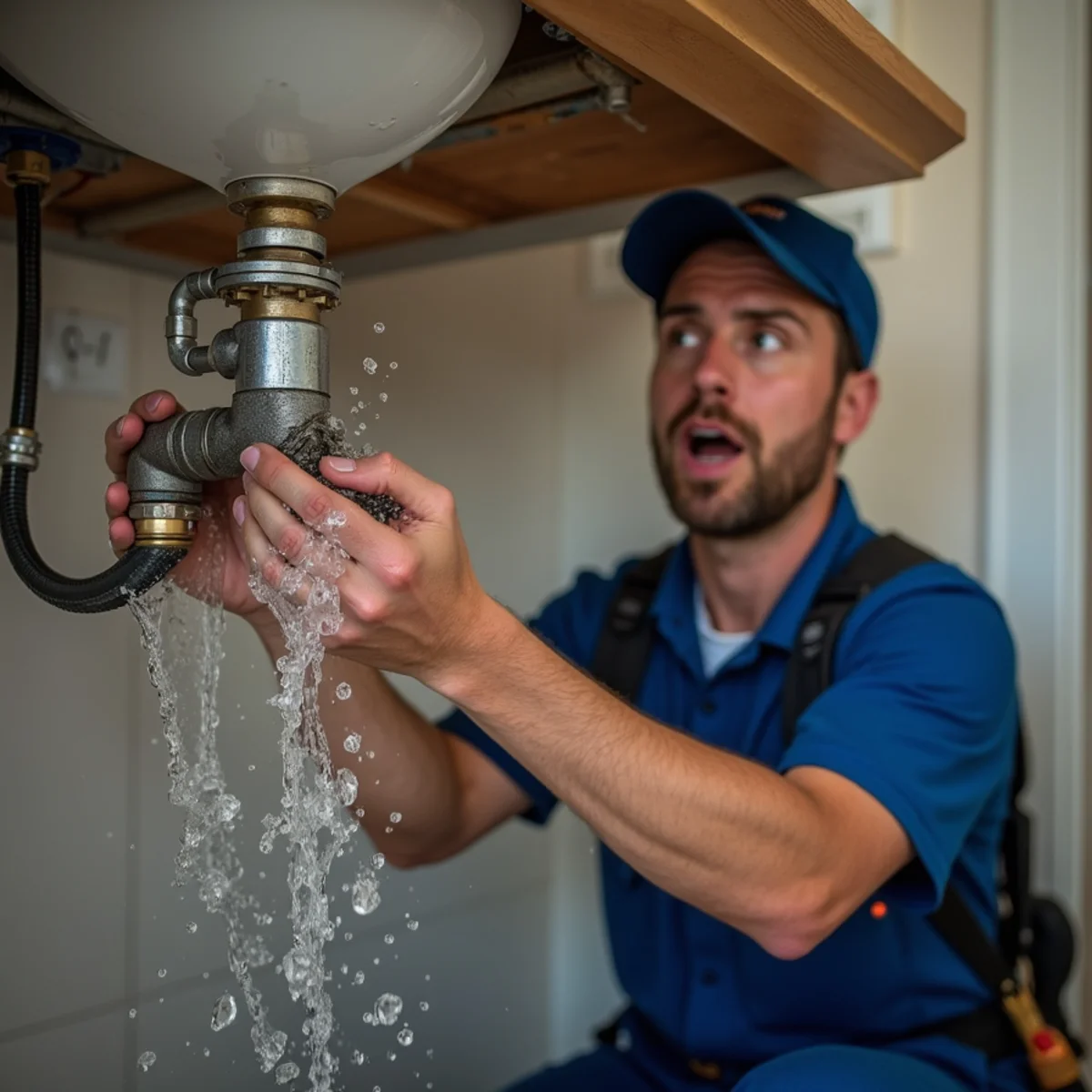
A burst pipe can dump gallons a minute into your home. Here's exactly what to do in the first five minutes — and what to leave to a licensed plumber.
A burst pipe is one of the few plumbing failures where the clock genuinely matters. Water can pour in at gallons per minute, soaking drywall, flooring, and cabinets before you've even found your phone. The good news: the first few minutes are almost entirely in your control, and doing them right dramatically limits the damage.
1. Shut off your main water valve
Everything starts here. Your main shutoff is usually where the water line enters the house — in the garage, near the water heater, or in a box near the street. Turn it clockwise until it stops. If you don't know where yours is, find it today and label it, because a flooding house is the worst time to go looking. Shutting the main stops the flow to the entire home, which is what you want when you can't tell exactly where the water is coming from.
2. Kill the electricity to wet areas
Water and electricity are a deadly combination. If water is near outlets, appliances, or a panel, and you can reach the breaker safely without standing in water, shut off power to the affected area. If you can't get to it safely, stay out and wait for help.
3. Open faucets to drain the lines
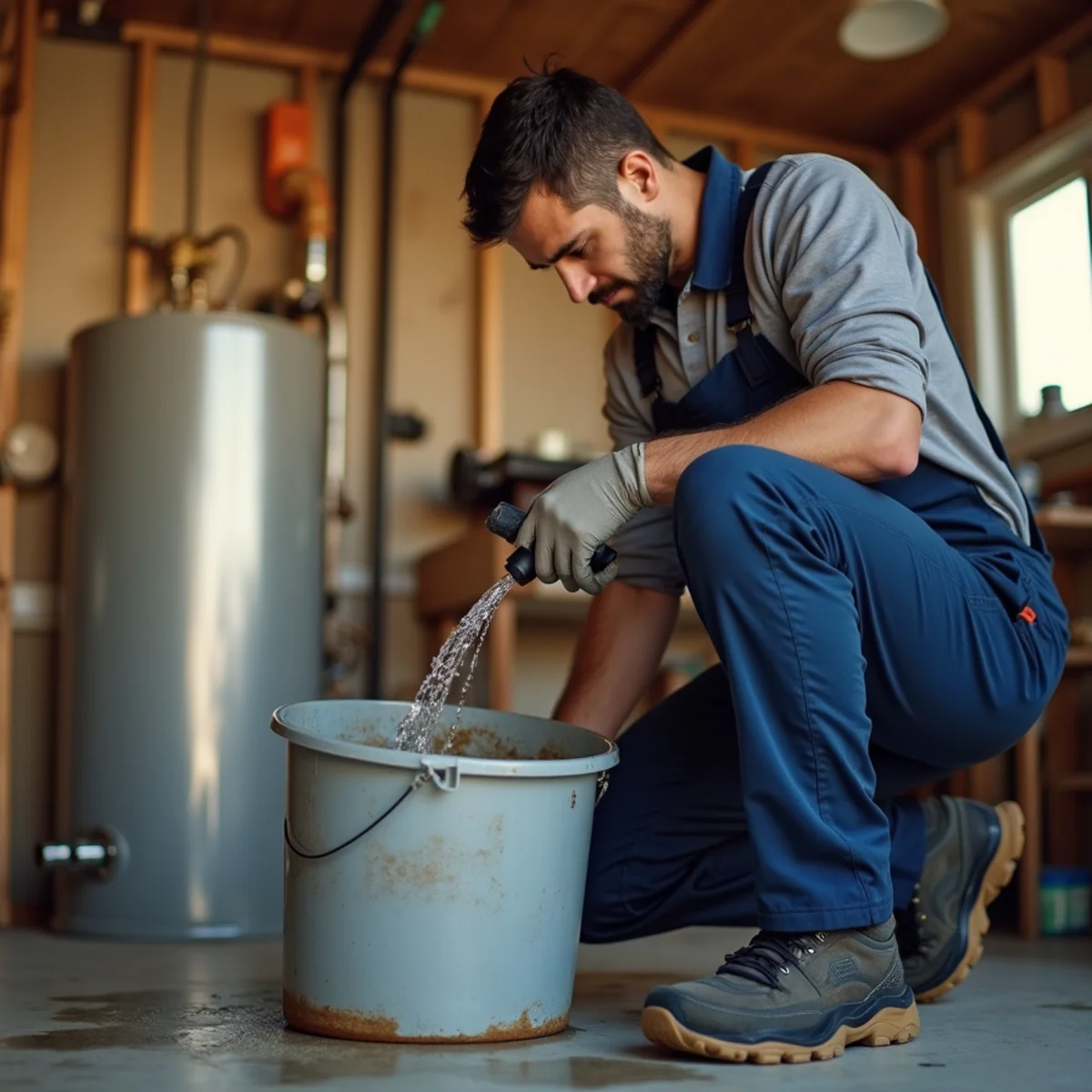
After the main is off, open a few faucets — including the lowest one in the house — to relieve pressure and drain the remaining water in the pipes away from the break. This reduces how much water finishes leaking out at the failure point.
4. Document everything before you clean up
This step protects your wallet. Before you move or throw anything away, photograph the source of the leak, the standing water, and every damaged item and surface. Sudden burst-pipe damage is often covered by homeowners insurance, and your adjuster will want to see the source and the damage. The EPA advises addressing clean-water damage within 24 to 48 hours to limit mold, so document quickly, then start drying.
5. Call a licensed plumber
Once the water is off and the area is safe, call for repair. When you reach us, we'll confirm the water is stopped, give you an honest arrival window, and come stocked to repair the failed section on the first trip. We'll also diagnose why it burst — because a pipe that failed from age or excess pressure will do it again if the underlying cause isn't addressed.
Why pipes burst in the Inland Empire
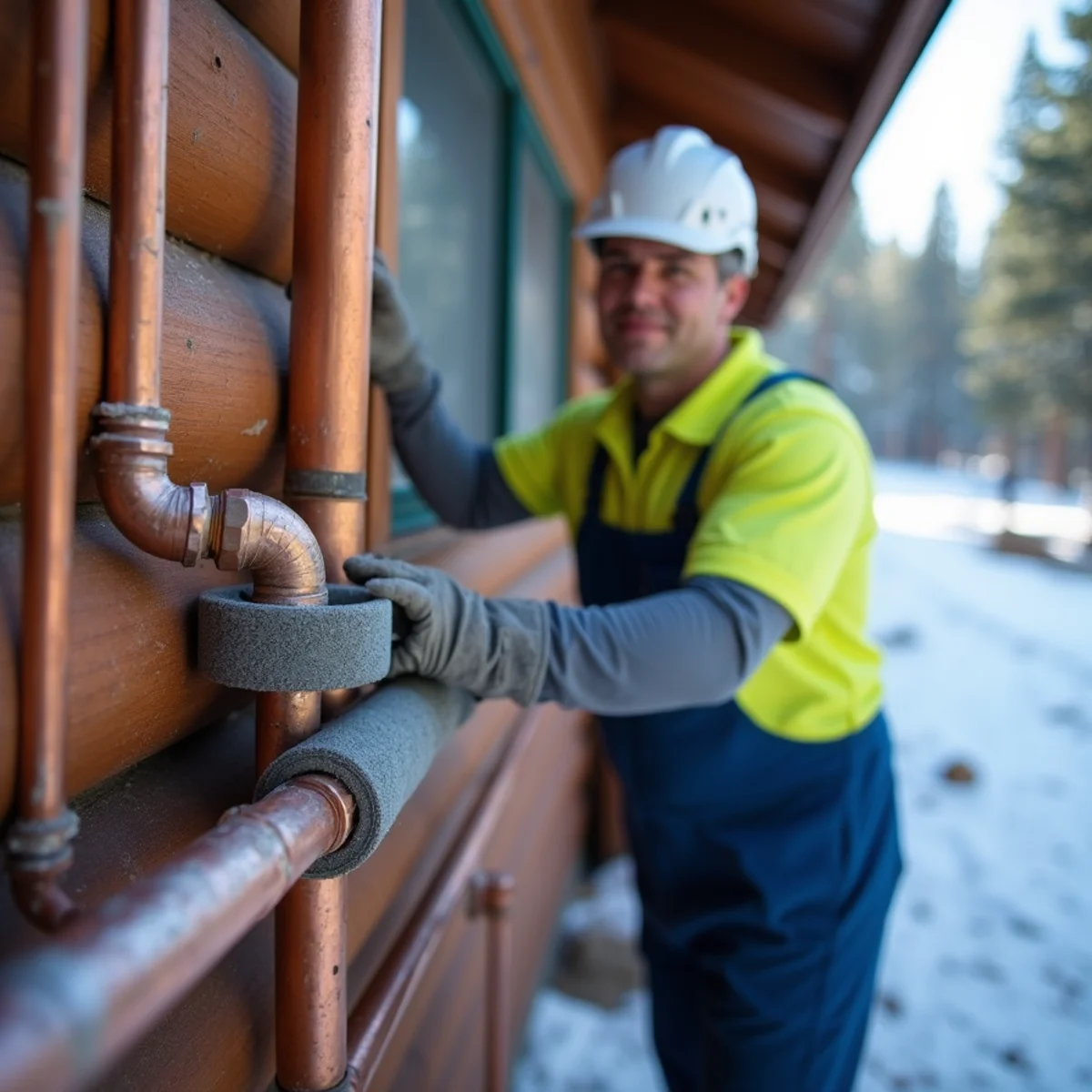
Most Riverside-area bursts trace back to a handful of causes: aging galvanized or corroded copper lines that finally give way, pinhole leaks that let go, and water pressure running too high and hammering the joints. In the foothills and high desert — think Yucaipa, Beaumont, or Big Bear — a rare overnight freeze can split an exposed line. Whatever the cause, a spot repair fixes the emergency, but if the pipe is failing from age in multiple places, a repipe of that run is what actually ends the problem.
Written by the licensed team at Riverside Plumbing Pros. Call (831) 290-4327 for help with any of the issues below.
From our licensed plumbers
What a plumber actually checks after a burst
Stopping the water is only half the job — the part homeowners rarely see is why the pipe failed, and that changes the repair. When we arrive, we test the home's static water pressure at a hose bib. Anything over about 80 psi is out of code and quietly hammers every joint in the house; if that's the cause, a spot repair without a new pressure regulator just moves the next failure downstream. We also look at the pipe material and its neighbors: a single pinhole in a run of 40-year-old copper usually means more are coming, so we'll show you the section and give you an honest repair-versus-repipe comparison rather than patching blind.
The second thing we document is moisture migration. Water tracks along framing and wicks into drywall and subfloor far beyond the visible wet spot, and clean water becomes a mold problem inside the EPA's 24–48-hour window. We note where the water traveled so your restoration contractor — or your insurer's — knows the true extent, not just the obvious puddle. That documentation is often worth more than the repair itself when a claim is involved.
Frequently asked questions
You can slow a small leak with a clamp or tape as a stopgap, but shut off the main first and call a licensed plumber for the real repair. A pressurized line needs a proper fix to hold.
Sudden burst-pipe damage is often covered, though it depends on your policy and the cause of loss. Photograph the source and damage and keep all repair invoices — we document the repair so you have what the adjuster needs.
It's usually where the water line enters the house — in the garage, near the water heater, or in a valve box near the street or sidewalk. Find it today, make sure it turns freely, and label it. In a real burst, seconds of searching become gallons on the floor.